Churches Low-Sheen Finishes: Calm Light, Safer Steps, Lower Costs
If you’re responsible for a church floor, you already carry a quiet kind of stewardship. You’re not just minding timber; you’re minding history, sound, safety — and above all, the way light behaves in a sacred space. We’ll show you how Churches Low-Sheen Finishes protect the hush and dignity of a nave, make stone and wood read correctly in photographs, and save you money over the long haul. And if you want a specialist team who do this every week, Sanding Wood Floors are on hand — ring 0800 955 0015 and ask for a site visit.
Before we dive in, here are some useful services many churches need at the planning stage:
- Thoughtful wooden floor finishing with authentic low-sheen systems
- Disruption-free dust-free floor sanding that respects instruments, pews and monuments
- Heritage-sensitive parquet floor sanding and old parquet restoration
- Practical floor restoration and gap filling — including gap filling with resin or with strips
- Robust floor finishes & seals with a matte or satin glow (never a glare)
Why low-sheen is right for sacred spaces
1) Light that whispers, not shouts.
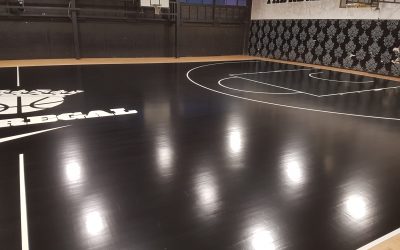
Highly glossy floors bounce light into eyes and camera lenses. In churches, stained glass, candles and clerestory daylight want to rest on the surface, not ricochet off it. Churches Low-Sheen Finishes give you that quiet, velvety reflection that flatters timber grain and stone arcades without visual noise. Pair with wooden floor finishing for an authentically calm look.
2) Better photography and livestream clarity.
Glare is a menace to wedding photographers and parish streaming teams. A matte or low satin finish improves dynamic range, colour fidelity and legibility of vestments and faces.
3) A gentler acoustic.
You’ve noticed how shiny floors can make a church feel ‘hard’? Low-sheen systems often come from oil- or wax-rich technologies that damp micro-reflections of sound. For further improvement, consider wood floor soundproofing or floor insulation & sound proofing in meeting rooms and halls.
4) Honest to the building fabric.
Medieval or Victorian, oak boards or pine with Victorian pitch — glossy poly never existed when your floor was laid. Low-sheen reads as “true”, which pleases faculties, diocesan advisors and heritage officers.

The finish families (and what they’re best at)
Choosing a finish isn’t a pub quiz. It’s about use, budget and maintenance appetite. Here’s the short list our church clients swear by:
Hardwax oil (low-sheen / matte)
A natural look that deepens grain without plastic glare. Breathable, spot-repairable, and ideal for busy parish life where small local touch-ups beat wholesale re-coats.
- Pair with precise wood floor sand & seal prep.
- Maintain via wood floor maintenance & care plans.
- Great for parquet — see parquet floor sanding.
Water-borne polyurethane (ultra-matt or satin)
Modern church workhorse. Clear, tough, and available in ultra-matt that looks oiled but lasts longer between re-coats.
- Consider varnish treatment with low-sheen hardeners.
- In high-traffic aisles, ask about two-component topcoats from the floor finishes & seals range.
Penetrating oils (traditional wax over)
Authentic for older boards; the glow is unrivalled. Requires discipline: buffing, top-ups, and care. Beautiful in chancels and small chapels.
- Pair with periodic wooden floor sanding & polishing.
Straight talk: If your PCC wants “set and forget”, go water-borne ultra-matt. If you want museum-grade character and don’t mind care, go hardwax oil. If you’re heritage-pure and hands-on, traditional oil and wax — but accept the maintenance.

Species and patterns: getting the tone right
English Oak
A parish staple. Low-sheen brings out medullary rays without turning the floor into a mirror. For heavy wear, combine with hardwood floor sanding and a durable ultra-matt seal.
Pine (Victorian & Edwardian)
Soft and soulful. Low-sheen disguises micro-scuffs better than gloss. Mind the gaps and nail holes — which is where gap filling with resin or with strips earns its keep.
Maple (schools, halls, some choirs)
Bright, quick to glare if sealed too glossy. Choose ultra-matt. See maple wood sanding & finishing for a sympathetic approach.
Parquet (herringbone, block, mosaic)
Low-sheen tells the pattern’s story without shouting. If you’ve discovered a hidden floor under carpet, start with old parquet restoration and parquet floor sanding.
Preparation: the honest work that makes finishes last
Churches are complex sites: fixed pews, memorial stones, organs, and often a patchwork of timber eras.
- Dust-free sanding: Protects the organ, altar and fittings. Book dust-free floor sanding and sleep soundly.
- Repairs before beauty: Loose boards creak at the worst moment. Use wood floor repairs and renovation & repair to sort it properly.
- Scratches & heel scars: Choir stalls and wedding season chew finishes. Cue wood floor scratch repairs.
- Gaps & draughts: Cold naves are not a virtue. Floor restoration & gap filling helps — with strips for larger movement or resin for fine finish.
- Hearth removal: Redundant grates trip people and trap dirt; see hearth removal.
- Stairs & galleries: Polished steps are a lawsuit waiting to happen. Opt for low-sheen + grip, with stair stripping & sanding and banister restoration.

Colour, tone and the theology of light
This is where taste meets technicals.
- Keep stain subtle. A church is not a showroom. Warm, honest tones play best with stone and plaster.
- Avoid the “wet look”. Ultra-matt reads gentler under candles and at Compline; satin is fine in halls.
- Mind the windows. South-facing naves can bleach warm stains. A low-sheen UV-stable topcoat from the floor finishes & seals range earns its tithe.

Traffic, toughness and the lifecycle cost
Gloss often fools committees: “It looks tough!” Then it shows every scuff. Low-sheen finishes hide wear better, which means longer intervals between full re-sands — and a friendlier five-year cost.
- Aisles & west doors: Use two-component ultra-matt varnish or a hardwax oil with extra solid content.
- Choir & sanctuary: Low traffic, high dignity — most churches choose hardwax oil matte for its warm glow.
- Halls & schools: See commercial floor sanding and school floor maintenance for hard-wear schedules and re-coat cycles.
- Parish rooms: Where kettles, chairs and craft nights live — consider commercial wood floor care programmes.
Safety first: slip resistance without the shine
Candles drip, wet shoes arrive, and funerals don’t wait for sunny weather. Low-sheen topcoats can be specified with micro-grit or high-friction formulations that you don’t see — but you’ll notice fewer near-misses on steps. Combine with stair nosings, periodic buffing, and a written maintenance & care plan.
The right maintenance (and the three big mistakes to avoid)
Weekly: Vacuum on brush setting; microfibre mop lightly damp (never soaked).
Monthly: Neutral pH cleaner approved for your finish; buff traffic lanes.
Seasonally: Inspect entrances, apply refresher if traffic demands, re-dress oil finishes.
Three mistakes that ruin church floors:
- Steam mops. Feel efficient, behave like vandals. They force moisture and heat into the finish.
- Household polish. Silicone or acrylic sprays create uneven shine and slippy patches.
- Over-wet mopping. Water + timber = cupping and clouding.
Book a practical handover with wood floor maintenance & care and you’ll prevent 90% of problems before they start.

Case notes from the nave (what tends to work)
- Victorian pine boards under pews: Resin-fill hairline gaps, selective board repairs, dust-free sanding, then two coats low-sheen hardwax oil; optional third in aisles.
- 1930s oak block parquet in the choir: Lift and relay loose blocks, old parquet restoration, then ultra-matt water-borne seal; buff and re-coat every 3–5 years.
- Modern hall maple: Hardwood sanding, stain control to keep maple natural, then ultra-matt sports-grade seal with a defined school floor maintenance plan.
A step-by-step specification you can take to the PCC meeting
- Survey & testing: Moisture readings, adhesion tests on existing patches.
- Protection: Sheeting for monuments and the organ; dust management via dust-free floor sanding.
- Repairs: Wood floor repairs, local splices, nail punch and fill; gap filling to reduce draughts.
- Sanding sequence: Coarse-to-fine, edges and detail; inter-coat denib.
- Finish system:
- Option A: Hardwax oil matte x2–3 coats (traffic-weighted).
- Option B: Water-borne ultra-matt primer + 2K topcoat x2.
- Cure & handover: Staged re-occupation; deliver written maintenance & care.
- Aftercare: Annual inspection; quick scratch repairs prevent big bills.

What about pews, pulpits and banisters?
While the floor is open, it’s often wise to refresh timber handrails and gallery stairs. A low-sheen finish here is safer and looks congruent with the nave floor. Ask about stair stripping & sanding and stair & banister restoration services so everything reads as one carefully considered scheme.
The budget conversation (and how low-sheen saves money)
Accountants love numbers; congregations love beauty. Low-sheen finishes give you both:
- Fewer obvious scuffs = fewer premature re-sands.
- Spot-repairable systems (oils and certain 2K mattes) cut downtime and cost.
- Energy comfort wins from gap filling and optional insulation/sound proofing help with warm-space grants and community hire revenue.
If you also need adjoining areas renewed — vestry, sacristy, or community rooms — we handle laminate flooring installation where appropriate, so the parish gets a consistent, sensible finish palette.
Frequently asked questions (the ones we hear from wardens)
How long before we can use the church again?
Most low-sheen systems allow light foot traffic within 24 hours, full cure a few days later. We stage works to keep services running.
Will sanding harm the organ?
No — with proper protection and dust-free sanding capture, plus consultation with your organ tuner.
Can we keep some patina?
Yes. We can sand minimally, retain historic saw marks, then seal with a sympathetic wooden floor finishing system.
What if we discover a redundant hearth?
We’ll make it safe and level via hearth removal and skilled infill so the eye never stops.
Do you work on commercial or school halls attached to churches?
Every week. See commercial floor sanding and school floor maintenance.
The simple sales truth
People don’t buy a finish. They buy peace of mind. In churches, that peace looks like this:
- The light is gentle.
- The sound is kind.
- The floor feels honest and safe.
- The parish spends less over five years than it did over the last two.
That’s why Churches Low-Sheen Finishes are not a fad. They’re the sensible choice when you want the building to carry on doing its quiet job beautifully.
Ready to respect the light in your church?
Talk to specialists who work with churches, not just floors.
Visit Sanding Wood Floors or ring 0800 955 0015 for a friendly, detailed site survey.
Prefer to start with a hall or side chapel? Ask for:
- Wooden floor finishing (low-sheen systems)
- Wood floor renovation & repair (before the beauty work)
- Commercial wood floor care services (for parish halls)
- Parquet floor sanding (for hidden treasures)

Where to go from here
If you’ve read this far, you probably care about your building. So do we. We’ll help you choose a low-sheen system that keeps the dignity of your church intact — and your budget sensible.
- Start with wood floor sand & seal.
- Confirm your low-sheen path via floor finishes & seals.
- Book dust-free floor sanding to protect instruments and monuments.
- Tie it together with wood floor maintenance & care so your finish stays beautiful.
Call now: 0800 955 0015
Visit: Sanding Wood Floors
Related services churches frequently combine
- Wooden floor sanding & polishing
- Wood floor soundproofing
- Wood floor renovation & repair
- Wood floor scratch repairs
- Wood floor repairs
- Wood floor maintenance & care
- Hardwood floor sanding
- Floor finishes & seals
- Floor insulation fitting & sound proofing
- Dust-free floor sanding
- Parquet floor sanding
- Commercial floor sanding
- School floor maintenance
- Maple wood sanding & finishing
- Laminate flooring installation
- Old parquet flooring restoration
- Floor restoration & gap filling
- Stair stripping & sanding
- Stair & banister restoration services
- Gap filling with strips
- Gap filling with resin
- Varnish treatment
- Hearth removal
Final word
There’s a reason this page focuses relentlessly on Churches Low-Sheen Finishes: because the best church floors don’t pull focus. They support worship, welcome community, and look quietly wonderful year after year.
If that’s the floor you want, you know what to do.
Call: 0800 955 0015
Work with: Sanding Wood Floors — specialists in wooden floor finishing, dust-free sanding, and parish-friendly aftercare.