Hardwood floor adds charm and elegance to your home, but it also comes with potential challenges, such as wood cupping and buckling. While it’s not uncommon for hardwood floors to experience buckling, it can significantly impact the overall appearance and functionality of your floor.
Fortunately, you can repair a buckled hardwood floor with a few simple steps. The process includes removing the affected plank, reattaching it with a high-quality adhesive, or replacing it with a new floorboard. Follow these easy steps to restore your floor’s beauty and functionality in no time. Read on to learn more about the repair process.
What Causes Buckled Hardwood Floors?

Buckled hardwood floors are caused by excessive moisture, poor installation, or inadequate orientation of the wood before installation. Water leaks, high humidity, or spills can swell wood, leading to buckling. Additionally, insufficient expansion gaps and improper adhesive use can contribute to the issue, disrupting the floor’s stability.
7 Steps to Fix Buckled Hardwood Floors
1. Check for the Cause of Buckling and Address it
Before you opt for buckled hardwood floor repair, identify the root cause of the buckling, such as water leaks, high humidity, or improper installation.
Inspect the area for signs of moisture or structural issues. Address the problem by fixing leaks, improving ventilation, or ensuring proper expansion gaps. Resolving the underlying issue prevents recurrence and protects your flooring.
2. Disassemble the Affected Board
When you notice hardwood buckling and addressed causes, start by disassembling the affected plank from the floor. Carefully remove the buckled floorboard using a pry bar or similar tool to avoid damaging surrounding planks.
Work slowly to loosen the nails or adhesive holding the board in place. Once removed, inspect the subfloor and the board for damage to determine if it can be reused or needs replacement.
3. Clean the Subfloor and Back of the Floorboard
After removing the affected plank, thoroughly clean the subfloor and the back of the floorboard to remove dirt, dust, or leftover adhesive. Use a scraper or sandpaper to smooth the surface, ensuring a clean and even base for reinstallation. This step is crucial for the adhesive to bond securely and prevent further issues.
4. Apply Adhesive to the Floorboard
Choose a high-quality adhesive suitable for hardwood floors. Evenly apply the adhesive to the back of the floorboard or directly onto the subfloor.
Spread it uniformly to prevent uneven surfaces or air pockets, which can cause future buckling. Ensure the adhesive is compatible with your specific flooring material.
5. Replace or Install New Floorboard
Position the cleaned or new floorboard carefully in the vacant space. Ensure it aligns perfectly with the surrounding planks.
Press down firmly to secure the board in place, and use a rubber mallet if needed to adjust the fit. For nailed floors, reattach with nails for added stability. If the damage to the floorboard is severe and cannot be repaired, replace it with a new plank of matching size and material.
6. Allow it to Dry Completely
Once the plank is installed, whether new or old, let the adhesive dry fully, following the manufacturer’s recommended drying time. This usually takes 24–48 hours.
Ensure you avoid walking on the repaired section until it’s complete. Patience during this step is essential to ensure the repair lasts over time.
7. Recheck Humidity to Prevent Further Damage
Once you have repaired the hardwood floor buckling issue, Monitor the room’s humidity levels using a hygrometer. Maintain a stable environment with 30–50% relative humidity to prevent future buckling. Consider using dehumidifiers or HVAC systems to regulate moisture levels. Regularly inspect your flooring for signs of water intrusion to address issues before they worsen.
Tips to Avoid Buckled Hardwood Floor

- Blot Spills Immediately before it soaks deep into the hardwood floor.
- Ensure there are no leaks saturating your hardwood floors with moisture.
- Avoid wearing high heels and shoes with cleats to prevent hardwood floor wreaking.
- Use water sparingly while mopping hardwood floors.
- Use appropriate cleaning products to avoid any adverse effects, causing hardwood floors to wrap.
- If the buckling persists, it requires professional wood floor restoration.
Why is Professional Hardwood Floor Maintenance Important?
You can repair a buckled hardwood floor by following the steps outlined above, including assessing the water damage, uninstalling the affected plank, repairing it, or installing a new plank, and allowing it to dry completely.
However, professional hardwood floor maintenance is important because experts have the knowledge, experience, and tools to effectively address underlying issues such as improper moisture levels, poor installation, or subfloor damage.
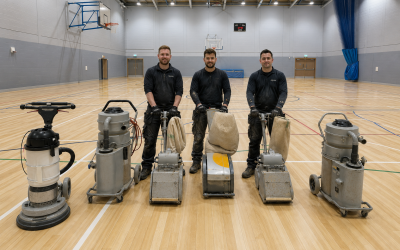
At Sanding Wood Floors, we can provide a thorough inspection, ensure proper repairs, and offer preventative measures to extend the life of your floors and maintain their beauty.
Having your clean and well-maintained hardwood floor is just a call away!
FAQs
Q.1 Can you repair hardwood floors that have buckled?
⇒ Yes, you can repair buckled hardwood floors by addressing the cause, disassembling the affected boards, cleaning the subfloor, applying adhesive, and reinstalling the boards. In severe cases, replacing the damaged planks may be necessary for a smooth finish.
Q.2 How do you flatten warped hardwood floors?
⇒ To flatten warped hardwood floors, you can apply moisture control, adjust humidity levels, and use weight or clamps to press the boards back into place. If warping persists, you may need to replace damaged boards or consult a professional.
Q.3 Does sanding help reduce hardwood floor buckling?
⇒ Sanding can fix cupping by leveling raised edges. However, sanding alone may not be sufficient, and addressing underlying moisture issues or replacing affected planks may be necessary for a proper fix.