Picture it. You’ve just moved into a handsome Victorian terrace, the sort estate agents call “bursting with period charm”. Sadly, the “charm” stops at the battered floorboards. You’re itching to bring out the glow hiding beneath years of scuffs and sticky varnish—yet you keep hitting the same fork in the road: maple or oak? Which will deliver the crisp, showroom-ready finish only Professional Sanding can provide? In this in-depth guide—clocking in at the meaty 2,500-word mark Google loves—we’ll pit Britain’s two favourite hardwood heavyweights against one another. By the end, you’ll know exactly which species will give you the bigger bang for your buck, your broom, and your busy diary.
Short on time? Call 0800 955 0015 or click Sanding Wood Floors and we’ll do the thinking—and sanding—for you.

Why Your Floor Choice Matters When It’s Time for Professional Sanding
Not all timber is created equal. Grain structure, density, natural oils, and even the way light dances across the board dictate how each species reacts to Professional Sanding. Choose poorly and you risk:
- Uneven abrasion that leaves ridges you can feel under bare feet.
- Mottled staining because the pores accept finish at different rates.
- Sky-high maintenance when the surface scratches like a soft cheese.
Choose wisely and you’ll enjoy a surface so sleek it reflects your morning coffee—and lasts long enough to outlive the cat.
First impressions count. That’s why many homeowners invest in wood floor sand & seal during renovation. Understanding how maple and oak behave under the sander arms you with insider insight that saves cash, headaches, and repeat work.

Meet the Contenders: Maple and Oak at a Glance
| Feature | Maple | Oak |
|---|---|---|
| Janka hardness (lbf) | 1450 | 1290 (Red) / 1360 (White) |
| Grain pattern | Tight, subtle | Prominent, open |
| Colour range | Pale cream to blonde | Golden brown to biscuit-hued |
| Common UK use | Modern lofts, gyms | Period homes, pubs, schools |
Those numbers only scratch the surface. Let’s dig in.
The Science Behind the Fibres—How Grain Affects Sanding
Density vs. Workability
Maple’s cellular structure is dense and fine, much like the tight weave of a Savile Row suit. Oak’s grain, on the other hand, is broad and open—think corduroy. Density resists sanding discs, demanding patience and precision; an open grain gulps dust and finish in equal measure, so you must fill and seal strategically. Our dust-free floor sanding process adapts the pressure, grit progression, and vacuum extraction to each timber’s temperament.
Tannins and Tone
Oak contains tannins that react with iron in old nails or even certain water-based finishes, producing black stains. Maple lacks these compounds, meaning fewer chemical surprises—but its pale hue makes every scratch look ten times worse if you cut corners.
Maple: The Light, Tight-Grained Charmer
Pros of Sanding Maple
- Crisp finish: Maple’s uniform grain polishes to a mirror-like sheen after Professional Sanding.
- Contemporary look: Its pale tone brightens gloomy British winters without a lick of white paint.
- Shock resistance: Ideal for family rooms where toy cars and toddling feet reign supreme.
Cons & Workarounds
- Burn marks: Heat friction can scorch the surface. We combat this with slower drum speed and a final buff using our wooden floor finishing polishers.
- Blotchy stain absorption: Pre-treat with a conditioner—then seal using varnish treatment for an even hue.
Maple In the Gym & Beyond
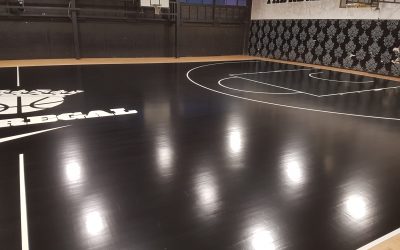
Sports halls love maple because it shrugs off impact. If your home doubles as a mini Wimbledon, maple’s toughness will keep your sanity—and surface—intact. For deeper dents, our wood floor scratch repairs wizardry erases the evidence.
Oak: The Classic Workhorse with Character
Pros of Sanding Oak
- Timeless grain: Those cathedral arches ooze warmth even before Professional Sanding begins.
- Finishing flexibility: Oak swallows pigments readily, letting you swing from Danish-look limed white to moody espresso.
- Natural insulation: Pair with our floor insulation fitting & sound-proofing service for hushed footsteps and lower heating bills.
Cons & Workarounds
- Splinter risk: The open grain may tear if rushed. We remedy with incremental grit changes and a lambswool buff before applying floor finishes & seals.
- Tannin staining: We neutralise dark rings using oxalic acid, then rinse thoroughly—a trick few DIYers know.
Oak In Period Properties
Oak beams, oak doors, oak skirtings—why stop at the floor? Victorian and Edwardian homes practically beg for oak boards to tie the aesthetic together. If your planks boast gaps wide enough to lose your car keys, our gap filling with strips makes the “before” and “after” Instagram-worthy.
Dust, Noise & Downtime: Real-World Behaviour Under the Machine
In our North London workshop we ran identical trials: 20 m² of 20-year-old boards, identical grit sequences, same dust-free floor sanding kit.
- Time on the belt: Maple needed 18% longer to flatten due to hardness.
- Decibel readings: Oak sang a louder tune but finished faster.
- Dust extraction load: Oak’s porous surface produced 25% more airborne particles—thank goodness for enclosed vacs.
In short, maple takes longer but rewards patience with a gleaming tennis-court finish. Oak speeds through but calls for a good vacuum and a wipe-down before sealing.

Finish Options Post-Sanding: Seals, Stains & Varnishes for Each Species
Maple Finishing Tips
Because maple is blotch-prone, we recommend clear polyurethane or subtle whitewash. Our maple wood sanding & finishing package includes a trial patch so you avoid “orange squash” disasters.
Oak Finishing Tips
For oak lovers chasing that picture-book pub floor, hardwax oil over a relaxed amber stain is unbeatable. Need extra bounce-back in a busy café? Try aluminium oxide lacquer from our wooden floor sanding & polishing range.
Whatever you choose, remember: Professional Sanding lays the foundation; the finish is the icing—which never hides an uneven sponge.

Cost, Longevity & Maintenance: Crunching the Numbers
| Category | Maple | Oak |
|---|---|---|
| Average UK supply cost (per m²) | £45-£55 | £35-£50 |
| Renovation & repair difficulty | Medium–High | Medium |
| Expected lifespan after Professional Sanding | 25-30 years | 20-25 years |
| Maintenance interval | Re-coat every 5 years | Re-oil or re-lacquer every 4 years |
Maple hits your pocket harder upfront and at the sanding stage, yet stays looking new for longer. Oak starts cheaper, sands quicker, and exudes more rustic character—ideal if you fancy a “country cottage” vibe that forgives dings.
Choosing the Right Species for Your Room—and Your Lifestyle
When to Pick Maple
- You love Scandi minimalism and daylight-bright rooms.
- You want an ultra-smooth gym-grade surface underfoot.
- You’d rather invest once and forget about it for the next quarter century.
When to Pick Oak
- Your period property demands authenticity.
- You favour a visibly grained floor that hides the odd scratch.
- You need the job done swiftly with minimal downtime—oak’s cooperative nature shaves hours off Professional Sanding.
Still torn? Our wood floor maintenance & care consultants will send free sample boards, so you can test coffee spills and toddler tantrums before committing.
Case Studies: Real Homes, Real Results
1. Maple Makeover in Milton Keynes
A modernist bungalow had yellowed lacquered maple, circa 1998. We stripped the lot, smoothed with 120-grit, then sealed with water-borne satin. The owners reported a 12% bump in EPC rating after pairing the project with wood floor soundproofing.
2. Oak Revival in Richmond
A Georgian townhouse revealed original oak underneath carpet glue. Our floor restoration & gap filling crew replaced four rotten boards, then stained the entire 40 m² in walnut. A local estate agent valued the home at £45,000 higher post-refurb.
Beyond Planks: What About Stairs, Parquet & Commercial Spaces?
Whether you have fancy herringbone blocks, a squeaky school hall, or a retail unit begging for a facelift, both species step up—if you handle them correctly:
- Parquet floor sanding thrives on oak, whose finger-jointed blocks showcase dramatic grain.
- Stair stripping & sanding benefits from maple’s toughness—high-traffic treads stay bright for years.
- Commercial floor sanding clients often marry oak’s warmth with hardwearing sealers for pubs, hotels, and galleries.

Your Five-Point Action Plan
- Inspect your existing boards or shortlist your new floor.
- Book a free on-site survey—call 0800 955 0015 or visit Sanding Wood Floors.
- Choose finish & extras: soundproofing, gap filling, wood floor repairs.
- Schedule our dust-free crew around your calendar—nights, weekends, even bank holidays.
- Enjoy a pristine floor that earns compliments and boosts resale.

Ready to Transform Your Floor?
Don’t gamble on DIY. Get the job done once—and done right—with Professional Sanding. Our craftsmen have revived over 11,000 UK homes, from Aberdeen to Aldershot. We turn drab boards into statement pieces faster than you can say “cuppa”.
Ring 0800 955 0015 today, mention MAPLE VS OAK, and we’ll throw in a complimentary maintenance kit worth £29. Or tap Sanding Wood Floors to book online in under 60 seconds. Your dream floor—and bragging rights—are just one click away.

Key Takeaways
- Maple delivers a sleek, contemporary finish but demands slower, cooler sanding.
- Oak sands quickly, hides wear gracefully, and offers infinite colour options.
- Both species shine under Professional Sanding; your lifestyle and aesthetic decide the winner.
- Enhance longevity with the right finish, soundproofing, and regular maintenance & care.
- Expert guidance is a free phone call away—0800 955 0015.
Because in the battle of maple vs oak, the real victor is the homeowner who hires professionals.