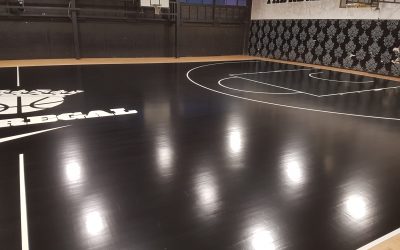
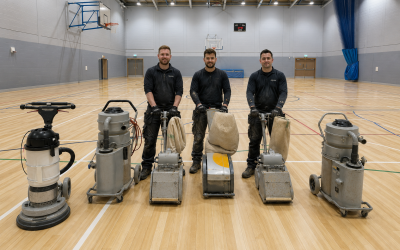
In the fast-paced, high-traffic world of restaurants, one thing must never be overlooked—your floors. They are the unsung heroes, trodden on day in and day out by staff, guests, delivery drivers, and more. A great dining experience begins the moment a customer walks through the door, and gleaming, hard-wearing, professionally finished floors say: we mean business.
But after you’ve invested in high-quality commercial sanding, what’s next?
Sealing.
Choosing the right seal is not just a finishing touch—it’s a strategic decision that influences your floor’s longevity, hygiene, appearance, and even your restaurant’s reputation.
In this guide, we’ll help you choose the most durable, cost-effective, and visually appealing floor seals after Commercial Sanding, while showing you why a second-rate finish is a false economy you can’t afford.
For expert advice and a free consultation, call us now on 0800 955 0015 or visit Sanding Wood Floors.
The Role of Sanding in Restaurant Flooring
Before diving into sealants, let’s talk about the crucial foundation: Commercial Sanding.
Unlike domestic floors, restaurant flooring deals with:
- Constant footfall
- Spills (oil, wine, sauces, the lot)
- Dragging chairs and furniture
- Harsh cleaning routines
A proper commercial wood floor sanding job smooths the surface, removes imperfections, and opens the pores of the wood—preparing it to absorb a seal that protects, enhances, and endures.
We offer dust-free floor sanding for minimal disruption, and if you’re thinking of a full upgrade, ask about our wood floor renovation and repair service.

Why Your Restaurant Needs the Right Floor Seal
After sanding, your wooden floor is vulnerable. Sealing creates a defensive layer that protects the wood from:
- Moisture and spills
- Scratches and gouges
- Chemical cleaners
- Discolouration and UV damage
A poorly chosen seal leads to frequent repairs and re-sanding—a costly cycle. The right one? It gives you years of durability with only basic maintenance and care.
So, what are your options?

Types of Floor Seals for Restaurants
1. Polyurethane Sealants (Lacquers)
✅ Best For: Busy restaurants, high traffic
🔨 Durability: 10/10
💦 Moisture Resistance: Excellent
Lacquer finishing is the industry go-to for commercial spaces. Once dry, it forms a hard, plastic-like layer on top of the wood. It’s tough, easy to clean, and perfect for resisting stains and footfall wear.
Polyurethane comes in two forms:
- Water-based lacquer – Low VOC, quick-drying, ideal for eco-conscious businesses.
- Oil-based lacquer – Longer-lasting, rich in tone, but slower drying and more pungent.
Ask our team about varnish treatment options today.

2. Hard-Wax Oils
✅ Best For: Rustic restaurants, natural aesthetics
🔨 Durability: 8/10
💦 Moisture Resistance: Good (but needs regular maintenance)
Hard-wax oil penetrates the wood and hardens within, offering a warm, natural look. It’s less glossy than lacquer but makes up for it with charm and repairability—just buff and reapply to the worn patch.
However, hard-wax oils require regular polishing and care to stay resilient.

3. Penetrating Oil Seals
✅ Best For: Traditional or boutique restaurants
🔨 Durability: 6/10
💦 Moisture Resistance: Moderate
These soak into the wood, hardening it from within, but leave it more vulnerable than lacquer or hard-wax. Great for heritage sites or restaurants in listed buildings. Pair with wood floor soundproofing if acoustics matter.

Best Seal by Use Case
| Restaurant Type | Best Seal | Why |
|---|---|---|
| High-end Fine Dining | Water-based Lacquer | Glossy, clean, durable |
| Rustic Farmhouse Bistro | Hard-Wax Oil | Natural finish, re-treatable |
| Fast Food Chain | Polyurethane Lacquer | Maximum durability, easy clean |
| Vegan or Eco-Friendly | Low-VOC Lacquer | Safe, sustainable |
| Heritage Listed Venue | Penetrating Oil + Wax | Breathable, period-appropriate |
Surface Prep and Seal Application
Before applying any seal, surface prep is critical. Our expert team ensures:
- Full gap filling with strips or resin
- Flawless sanding using dust-free equipment
- Thorough cleaning and drying
- Careful application for a uniform finish
Need to remove a hearth or feature first? We also offer hearth removal prior to sealing.

Drayton Bird Would Say…
“If you want to impress people, don’t start with the menu—start with the floor.”
That’s the thing with restaurant design. Floors are forgotten until they’re a problem. But when they shine, they elevate everything. They tell the story of professionalism, cleanliness, and style.
Most importantly, they influence whether a customer ever returns.
So if you’re the kind of restaurateur who sees the value in customer retention and premium experience, start where the customers start—the floor.
Matching the Seal to the Wood Type
Different floors have different needs. Here’s how to match your floor type to your ideal seal.
Pine or Softwood Floors
Very porous—great for absorbing hard-wax oil, but you’ll need more coats.
Oak or Hardwood Floors
Oak responds brilliantly to lacquers. Easy to clean, durable, elegant.
Parquet Floors
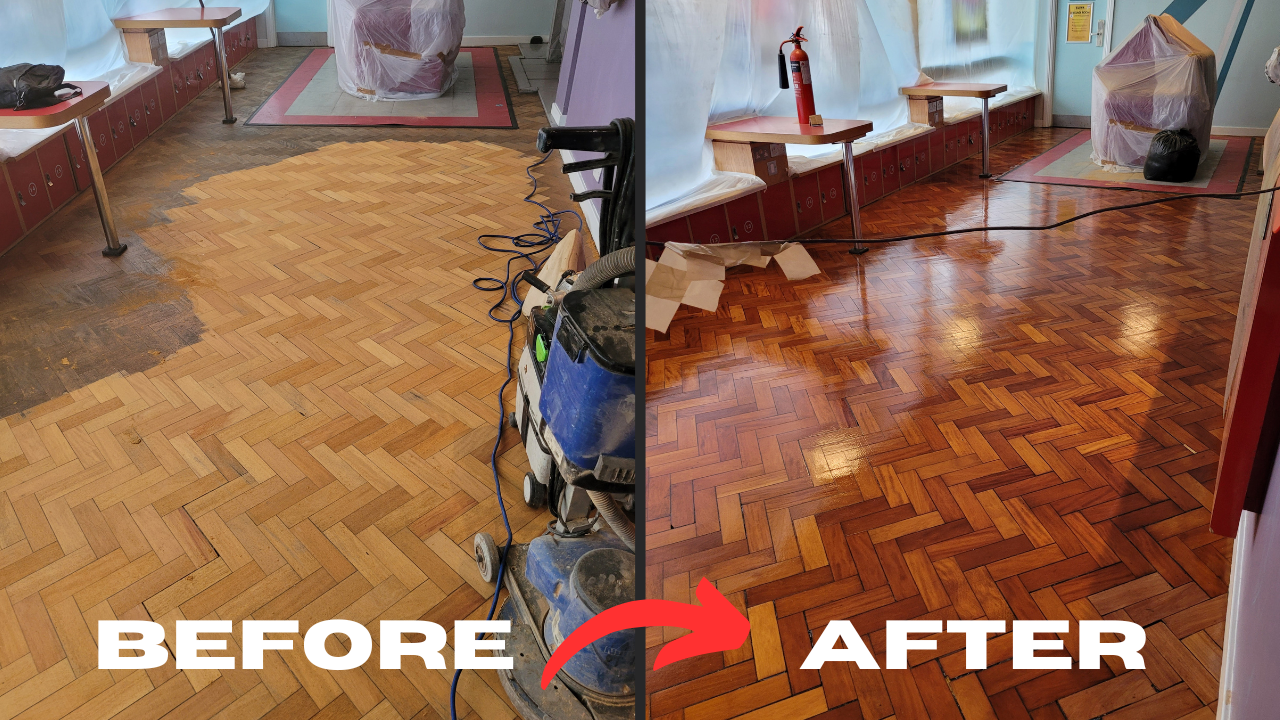
Preserve herringbone or chevron patterns with a subtle oil finish—or highlight them with satin lacquer.
Maple Floors
Dense and smooth. Ideal for lacquer—see our Maple sanding service.

How Long Do Seals Last?
| Seal Type | Expected Lifespan (Commercial Use) | Maintenance Frequency |
|---|---|---|
| Lacquer | 5–7 years | Weekly mop, yearly check |
| Hard-Wax Oil | 3–5 years | Monthly top-up, regular buff |
| Penetrating Oil | 2–4 years | Reapply every 1–2 years |
Longevity depends on traffic, cleaning habits, and initial floor prep. Our floor maintenance and care plans help extend lifespan and maintain appearance.
Avoiding Common Seal Mistakes
Even the best seal won’t save you if:
- The floor isn’t properly repaired first
- It’s applied unevenly or too thick
- It’s not allowed enough curing time
- Cleaning routines use harsh chemicals
That’s why it pays to work with professionals who do more than just sand. We repair scratches, renovate, and seal with care.
Your Next Step: Speak to the Experts
If you’re investing in a floor sand and seal service, don’t stop at the sanding.
A well-chosen, professionally applied seal turns your freshly restored floor into a showpiece—one that handles whatever your restaurant throws at it.
Here’s what we recommend:
✅ Get a free on-site consultation
✅ Choose from eco-friendly, gloss, satin or matte seals
✅ Add soundproofing or insulation for comfort
✅ Discuss gap filling for cold draft protection
✅ Schedule sealing for non-peak hours to avoid business disruption

Call Now — Let’s Make Your Floors Work Harder
If your restaurant flooring looks tired, scratched or patchy, it’s time for a change. We’ve transformed floors for restaurants, pubs, cafés, schools and boutique hotels across the UK.
Our team combines old-school craftsmanship with modern dust-free sanding and sealing methods to deliver jaw-dropping results that last.
Call 0800 955 0015 today to book your free commercial floor consultation.
Or visit Sanding Wood Floors to view our full range of commercial floor sanding services.