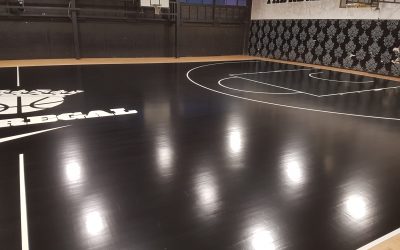
Protecting Your Wooden Floors with Water-Based Lacquer
If you own a wood floor in the UK, you already know one thing: it either makes your home look expensive… or embarrassingly shabby. There’s not much in-between. And more often than not, the difference comes down to the finish you choose.
The right finish – in this case Water-Based Lacquer – can turn a dull, scratched floor into something that looks as if you’ve just added a new room to your home. Not by knocking walls down, but by making the floor clean, bright and beautifully light-reflective.
In this guide, I’ll walk you through why modern Water-Based Lacquer is fast becoming the smart choice for UK homes, how it compares to old-fashioned solvent varnish and oils, and what a professional, long-lasting job should look like – step by step.
Along the way, you’ll see how the team at Sanding Wood Floors can handle everything for you – from wood floor sand and seal and wooden floor sanding and polishing to dust-free floor sanding, parquet floor sanding, and even specialist floor finishes and seals.
And if at any point you think, “You know what, I just want this done properly”… you can simply call
0800 955 0015 and talk to a real person who does this every day.

Why your floor finish matters more than you think
A wood floor is a bit like a good suit. The cut matters, but the fabric and the way it’s finished make all the difference.
You may have a beautiful oak, maple or old pine floor. But if the finish is yellowed, patchy, scratched or peeling, the whole room feels tired. Worse, it can be noisy, draughty and hard to keep clean if gaps and damage are left untreated. That’s where services like wood floor renovation and repair, wood floor repairs, and floor restoration and gap filling come into play – often before any new finish is applied.
For years, homeowners put up with strong-smelling solvent varnishes that took days to fully dry, yellowed quickly and made everyone feel they should leave the house for the weekend. Today, you don’t need to suffer for good floors. Modern Water-Based Lacquer gives you that tough, protective topcoat without turning your home into a chemical plant.
What is Water-Based Lacquer and how does it work?
Let’s cut through the jargon. Water-Based Lacquer is a clear, protective coating for wood floors that uses water instead of heavy solvents as its main carrier. Once applied, the water evaporates, the resins cure, and you’re left with a tough, transparent film that protects your floor from daily life.
Unlike old-style varnish, Water-Based Lacquer has far fewer volatile organic compounds (VOCs). That’s the stuff that makes your eyes sting and your house smell like a paint factory. Less VOCs means lower odour, a healthier indoor environment, and less impact on the planet – all without sacrificing durability when it’s applied over properly sanded and prepared boards.
The best results always start with expert sanding. That could mean full hardwood floor sanding, maple wood sanding and finishing, or careful old parquet flooring restoration. Once the surface is perfectly smooth, any gaps are handled – using gap filling with strips or gap filling with resin – before the lacquer goes down.

The key benefits of Water-Based Lacquer for UK homes
Now let’s talk about why so many UK households are choosing Water-Based Lacquer over other finishes.
1. Low odour and family-friendly
If you’ve ever tried to sleep in a room where traditional varnish has just been used, you’ll remember the headache. With Water-Based Lacquer, the odour is much milder and disappears far more quickly.
That makes it ideal for homes with children, pets, or anyone sensitive to strong smells. When combined with dust-free floor sanding, you get a smoother, cleaner job that doesn’t leave the whole house coated in dust – or everyone banished to the spare room.
2. Fast drying for busy UK lifestyles
Life doesn’t stop just because your floor needs attention. One of the real-world advantages of Water-Based Lacquer is how quickly it dries. You can usually walk carefully in socks on the floor much sooner than with solvent-based products, and full curing tends to be faster too.
That’s good news if you’ve only got one hallway, one living room or one staircase, and you actually need to use them. Professional teams will plan the work to minimise disruption – scheduling areas, using quick-drying coats, and working efficiently so you get back to normal speedily.
3. A natural, modern look
Here’s something many UK homeowners love: Water-Based Lacquer doesn’t make your floor go that fake orange or yellow colour you may have seen in older houses. Instead, it keeps the wood looking closer to its natural tone – whether that’s pale oak, warm maple, or characterful pine.
If you want a subtle sheen and a modern, airy feel, this is a big plus. Combine it with expert wooden floor finishing, and you can choose between matt, satin or gloss to suit your room, your furniture and your lighting.
4. Tough enough for real life
A finish is only as good as its ability to cope with real life: muddy shoes, children’s toys, pets skidding round corners, and the odd dropped saucepan. Correctly applied, Water-Based Lacquer provides a strong, durable surface that stands up well to abrasion and everyday wear.
Of course, the preparation matters: properly repaired boards, wood floor scratch repairs, and solid wood floor maintenance and care all make a difference. But with good products and skilled applicators, you get the protection you need without a plastic, “gym floor” look – unless that’s exactly what you’re going for in a commercial space.
5. Better for indoor air and the environment
Many UK homeowners now think beyond today’s job and look at impact. Because Water-Based Lacquer contains far fewer harsh solvents, it helps reduce VOC levels inside your home and in the wider environment.
Pair that with energy-efficient improvements like floor insulation fitting and sound proofing or dedicated wood floor soundproofing, and your floors become part of a broader plan to make your home more comfortable, quieter and more efficient – not just prettier.

Where Water-Based Lacquer works best
You might be wondering, “Will this work on my floor?” In most cases, yes.
Solid and engineered hardwood floors
From classic Victorian pine to modern engineered oak, the vast majority of wooden floors can be sanded and finished with Water-Based Lacquer. Expert wood floor sand and seal and wood floor repairs ensure the surface is ready, sound and smooth before the first coat.
Parquet floors
If you’re lucky enough to have herringbone or mosaic parquet, you’ll know how much character it brings to a room. Professional parquet floor sanding and old parquet flooring restoration can bring those patterns back to sharp life – and Water-Based Lacquer is an excellent partner here, highlighting the pattern without yellowing it.
Stairs and banisters
Staircases are often the forgotten stars of a home. With stair stripping and sanding and careful stair banister restoration, your stairs can look like they belong in a design magazine rather than a rental corridor. Applied correctly, Water-Based Lacquer gives them a durable finish that copes with constant foot traffic and hand contact.
Busy family and commercial spaces
Hallways, open-plan living areas, school corridors and hotel lobbies all benefit from a hard-wearing finish. That’s why professional teams often use Water-Based Lacquer as part of commercial floor sanding, commercial wood floor care services, and ongoing school floor maintenance.

The professional process: from tired to tremendous
A good finish starts long before the tin is opened. Here’s how a thorough job should look when you bring in specialists such as Sanding Wood Floors.
Step 1: Inspection and preparation
First, the floor is inspected. Are there loose boards? Old hearths to deal with? Areas that need hearth removal or partial replacement? Is there old laminate that should be upgraded with proper laminate flooring installation or timber repairs?
Any structural issues are addressed via wood floor renovation and repair and, where needed, wood floor repairs.
Step 2: Dust-free sanding
Next comes the sanding itself. Using modern, dust-controlled machines, the team carries out full dust-free floor sanding and, where appropriate, more detailed wooden floor sanding and polishing.
The aim is simple: remove old finishes, level the surface, and reveal clean timber without leaving swirl marks or ridges. That smooth base is essential if Water-Based Lacquer is going to look even and last for years.
Step 3: Gap filling and detailing
Gaps can be charming – to a point. Beyond that, they create draughts, noise and dirt traps. This is where gap filling with resin or gap filling with strips is used to tighten everything up.
Edge work, corners and stairs are handled with care, including stair stripping and sanding and any required stair banister restoration services.
Step 4: Priming and first coats
Depending on the timber and the look you want, a suitable primer or base system may be used prior to the main coats. Experienced finishers will understand how Water-Based Lacquer reacts with different woods, including specialist maple wood sanding and finishing or softer pines.
The first coat is applied evenly, allowed to dry thoroughly, then lightly de-nibbed to remove tiny fibres that rise as the wood is wetted.
Step 5: Final coats and finishing touches
Further coats are applied, typically as part of a carefully chosen floor finishes and seals system, until the desired sheen and protection level are reached. Sometimes this is paired with a varnish treatment in specific areas.
The result? A floor that looks superb, feels smooth underfoot, and is protected by a carefully layered system rather than a single thick, brittle coat.

Water-based vs oils and old solvent
So how does Water-Based Lacquer stack up against the alternatives you may have heard about?
Oils and hardwax oils
Oils soak into the surface, enriching colour and giving a soft, natural feel. They can be beautiful – especially on certain timbers – and are easier to patch-repair locally. However, they often need more frequent maintenance, can be more susceptible to staining, and may not offer the same “film” of protection on top of the wood that Water-Based Lacquer provides.
Traditional solvent varnish
Yes, it’s tough. It’s also smelly, slower to dry, and prone to yellowing over time. For many UK homes – especially where families, pets or asthma sufferers are involved – the trade-off simply isn’t worth it when modern, low-VOC systems are available.
The smart approach today is to treat each floor individually. That might mean using oils in one room, lacquer in another, and supporting services like floor insulation fitting and sound proofing or wood floor soundproofing to improve overall comfort and performance.

Common mistakes UK homeowners make
Even the best product can’t rescue a bad job. Here are a few traps to avoid.
DIY sanding with hire-shop machines
You can hire a sander. You can also hire a chainsaw. That doesn’t mean you should use either without experience. Uneven sanding, gouges, chatter marks and missed edges are everyday sights for professional teams called in to rescue DIY attempts. It’s far cheaper – and less stressful – to get it done properly first time.
Skimping on preparation
If you rush through repairs and gap filling, no finish will hide it. Taking shortcuts before applying Water-Based Lacquer leads to visible lines, draughts and premature wear. Proper wood floor scratch repairs, wood floor repairs and floor restoration and gap filling make all the difference.
Using bargain-bin products
There are cheap “DIY lacquers” on the market. Many don’t have the durability, clarity or flow of professional systems. When you consider that your floor covers more square metres than almost any other surface in your home, it’s not the place to save a few pounds.
Looking after your lacquered floor
The good news is that a properly finished floor, protected with Water-Based Lacquer, is straightforward to care for.
- Use mats at entrances to cut down grit.
- Avoid harsh cleaners and steam mops that can damage the finish.
- Sweep or vacuum regularly.
- Use felt pads under furniture.
Over time, a professional wood floor maintenance and care visit can refresh high-traffic areas, including light sanding and additional coats if needed. If local damage occurs, wood floor scratch repairs and targeted wood floor renovation and repair can usually sort it without replacing the entire floor.

Why choose Sanding Wood Floors?
Plenty of people can hire a sander and buy a tin of something shiny. Very few do it to a standard that genuinely adds value to your home.
Sanding Wood Floors specialise in:
- Full hardwood floor sanding and wooden floor sanding and polishing
- Expert parquet floor sanding and old parquet flooring restoration
- Commercial floor sanding and commercial wood floor care services
- School floor maintenance for gyms, halls and corridors
- Specialist wooden floor finishing, floor finishes and seals and varnish treatment
- Structural works including floor restoration and gap filling, hearth removal, and more
Most importantly, they understand how to match the right system to your floor, your lifestyle and your budget – and how to use Water-Based Lacquer as part of a long-term plan rather than a quick fix.
Ready to see what your floor could really look like?
If your wood floors are dull, scratched or simply letting your home down, you don’t have to rip them out and start again. In many cases, the timber underneath is beautiful – it just needs expert sanding, thoughtful repairs and a modern finish such as Water-Based Lacquer to bring it back to life.
So here’s a simple next step. Pick up the phone and call
0800 955 0015
Have a quick chat with the friendly team at Sanding Wood Floors. Ask what they’d recommend for your particular floor, whether that’s a full wood floor sand and seal, detailed stair stripping and sanding, or a complete wood floor renovation and repair package finished with the right lacquer system.
You’ll get clear, practical advice – not a pushy sales pitch. And very soon, you could be walking into a home where the floors finally match the way you want the rest of your life to feel: lighter, cleaner, more welcoming… and built to last.