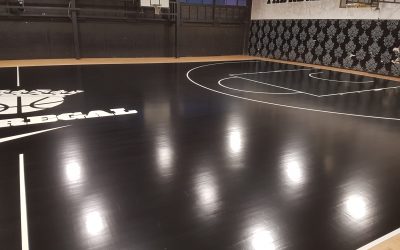
If you’ve ever walked into a room and thought, “Blimey, this feels bigger than it looks,” you’ve met the quiet magic of shine. In the world of interiors, very few upgrades change how a room feels as dramatically—or as quickly—as a high-quality gloss finish on timber. This isn’t just about looks; it’s about light, perception, and how your brain stitches a space together. In other words: Glossy Floors are not a fad; they’re a practical optical trick you can live on every day—and enjoy.
Before we dive in, if you’re ready for professional help, you can call Sanding Wood Floors on 0800 955 0015 or visit Sanding Wood Floors for friendly, expert guidance. And if you’re thinking specifically about shine, the service pages most people start with are floor finishes & seals, wooden floor finishing and varnish treatment.
The big idea: how shine manipulates light (to your advantage)
Here’s the plain-English version. A matte floor scatters light; a glossy floor reflects it. When more light bounces around your room, your eye reads the perimeter and edges differently. Boundaries soften. Shadows lighten. Continuous surfaces look longer and wider than they did before. Result: the space feels bigger.
Now, don’t confuse “feels bigger” with estate-agent daydreams. We’re talking about well-understood visual cues:
- Specular reflection (mirror-like bounce) from a glossy finish creates visual depth, almost like a faint, moving image of your room across the floor.
- Continuous highlights (that pleasing ribbon of light you see across the boards) visually stitch planks together so your brain perceives fewer stops and starts.
- Edge contrast reduction makes corners appear less harsh; bright corners look further away. The brain interprets this as more space.
If your room lacks natural light, this matters twice as much. Gloss helps available light do the heavy lifting a window might not.
Want the quick route? Explore wooden floor sanding and polishing or hardwood floor sanding and ask about gloss levels that will suit your space.

Why your brain loves shine: the psychology in a nutshell
We humans are lazy—in a good way. The brain uses shortcuts to read a room:
1) The continuity cue
Shiny surfaces create a single visual plane. When the eye meets fewer interruptions (like dull patches or heavy texture), it assumes the area is larger. That’s why a consistent gloss level across floor restoration and gap filling can transform a patchy floor into an uninterrupted “canvas” of space.
2) The brightness-space heuristic
Brighter surfaces look bigger. Period. Shine lifts brightness by reflecting light onto walls and ceilings—handy for basements and north-facing rooms. For added comfort, pair with floor insulation & sound proofing or specialist wood floor soundproofing to keep echo in check.
3) The movement cue
As you walk, reflected highlights glide across a glossy floor. That motion implies depth and distance. Your brain likes it; your room feels dynamic and (again) larger.
When Glossy Floors are the smart choice (and when to choose satin)
Link your design goal to your gloss level. Think of finish sheen as a dial, not a switch.
High gloss
- Best for: Smaller rooms that need visual stretch—hallways, compact lounges, snug bedrooms.
- Works with: Light to mid-tone timbers; simple furniture lines; clean, crisp skirting.
- Care needs: Shows dust and footprints sooner, so a routine from wood floor maintenance and care is a must.
Semi-gloss / satin
- Best for: Busy households or commercial spaces where you want spaciousness and practicality.
- Works with: Almost any timber and layout; hides day-to-day traffic better.
- Care needs: Minimal—especially after a proper wood floor sand & seal.
Not sure which to pick? A quick chat with Sanding Wood Floors on 0800 955 0015 often settles it in minutes.

Which rooms benefit most?
Narrow halls & small lounges
A glossy ribbon of light across boards visually pulls the eye along, making the hall feel longer. If you’ve got draughty gaps, consider gap filling with strips or gap filling with resin for a tighter, cleaner look before the final finish.
Kitchen-diners & open-plan spaces
Shine creates cohesion across zones, so your kitchen doesn’t feel stapled onto your dining area. For acoustic comfort in these lively spaces, see floor insulation & sound proofing.
Bedrooms & home offices
Semi-gloss is often the sweet spot—expansive feel without the constant buffing. If the floor’s seen better days, look at wood floor renovation and repair and wood floor repairs first.
Timber types and patterns that love shine
- Maple: Naturally light, it reflects beautifully—perfect for bright, airy rooms. See maple wood sanding & finishing.
- Parquet: Gloss accentuates geometry; the pattern reads clean and luxurious. Start with parquet floor sanding or, for period floors, old parquet flooring restoration.
- Laminate (in mixed-material homes): If a room needs new boards rather than refurbishment, consider laminate flooring installation—modern laminates can deliver sleek, light-boosting finishes.
The professional sequence that delivers jaw-dropping shine
Here’s how the pros turn tired boards into Glossy Floors that last:
1) Inspection & plan
Minor damage? See wood floor scratch repairs. Significant wear? Begin with hardwood floor sanding or full wooden floor sanding and polishing.
2) Repairs & gap management
Stability first: wood floor repairs, then floor restoration and gap filling using strips or resin depending on board movement and gap size.
3) Dust-free sanding
Non-negotiable for a flawless finish: dust-free floor sanding. It protects your home and prevents nibs in the finish.
4) Prime, seal, finish
To lock in colour and build depth, a professional wood floor sand & seal sets the base. Then come specialist floor finishes & seals—poly, oil-modified, water-based systems—tuned to your sheen level. Want showhome sheen? Explore varnish treatment options.
5) Edges, stairs & details
Nothing kills the illusion of space like dull edges or a tired staircase. Include stair stripping & sanding and stair & banister restoration services so the whole experience feels “big”, not just the centre of the room.
6) Fireplaces & awkwardness solved
Old hearth in the way of a seamless look? Hearth removal clears the sightline and helps the floor read as one continuous plane—a subtle but powerful spatial trick.

Commercial and educational spaces: shine that pays for itself
A smart gloss (often satin to semi-gloss) delivers two things businesses love: perceived size and cleanliness.
- Shops and studios: commercial floor sanding creates a brighter, more open feel that showcases product.
- Offices and venues: Long corridors feel less like tunnels; foyers look grand.
- Schools: Durable, easy-to-maintain finishes via school floor maintenance keep spaces bright and welcoming.
- Ongoing support: commercial wood floor care services preserve that just-done look.
“Aren’t glossy floors slippery?” (and other myths)
Short answer: not inherently. Slip resistance depends on the product system, the prep, and the maintenance regime—not the mere presence of shine. Many modern finishing systems balance sheen with grip perfectly well for homes and public spaces. Your finisher can specify a system that suits your traffic, pets, and footwear. If you’re worried, mention it when you call Sanding Wood Floors on 0800 955 0015—they’ll steer you to the right combination of finishes and cleaning products.
Maintenance that keeps the sparkle (without babying it)
Shine lasts when you treat it simply and consistently:
- Dry dusting: Use a microfibre pad several times a week.
- Damp mopping: Use the manufacturer-recommended cleaner (not washing-up liquid).
- Protective pads: Under chairs, tables, plant stands.
- Entrance mats: Catch grit before it hits the gloss.
- Top-ups: A light screen and re-coat keeps things immaculate—arranged through wood floor maintenance and care.
If life happens—moving day, a dropped pot, a lively Labrador—there’s wood floor scratch repairs for localised touch-ups. Heavier wear? It may be time to refresh via wooden floor sanding and polishing or a full wood floor renovation and repair.

A quick word on parquet and pattern
Parquet is the floor equivalent of a tailored suit—structure with flair. Shine emphasises its geometry, which adds direction and flow.
- Herringbone in gloss visually lengthens the room along the “arrow.”
- Chevron reads sleek and modern, its highlights forming continuous chevrons.
If your parquet is historic, old parquet flooring restoration respects the original blocks while delivering the crisp, reflective finish that makes the pattern sing. Start with parquet floor sanding, then choose sheen through wooden floor finishing.
The customer-driven route to Glossy Floors (step-by-step)
- Discuss your goal (bigger feel? brighter?) with a specialist at Sanding Wood Floors: 0800 955 0015.
- Site visit & advice: Identify repairs, gaps, subfloor creaks (solve with floor insulation & sound proofing or wood floor soundproofing if needed).
- Repairs & prep: Wood floor repairs, plus gap filling with strips or resin.
- Dust-free sanding: Dust-free floor sanding shapes the surface for a mirror-level base.
- Finish selection: Choose gloss, semi-gloss, or satin via floor finishes & seals and varnish treatment.
- Edges & extras: Stair stripping & sanding, banister restoration, and hearth removal for a continuous, spacious look.
- Aftercare: Set up wood floor maintenance and care so the gloss—and the “bigger room” feeling—stays.

Quick comparisons: gloss vs satin (so you decide in seconds)
- Visual size boost: Gloss ★★★★☆ | Satin ★★★☆☆
- Hides day-to-day marks: Gloss ★★☆☆☆ | Satin ★★★★☆
- Showhome finish: Gloss ★★★★★ | Satin ★★★☆☆
- Low-glare rooms: Gloss ★★★★★ | Satin ★★★☆☆
- High-traffic households: Gloss ★★★☆☆ | Satin ★★★★☆
Bottom line: If your top goal is more apparent space, gloss wins. If you want balanced practicality with a generous space feel, choose satin or semi-gloss.
Real-world scenarios (so you can see yourself in them)
- Compact Victorian terrace lounge: After hardwood floor sanding, a semi-gloss finish, plus floor restoration and gap filling, turned a gloomy space into a bright, flowing room. The TV wall looked further away; the sofa felt less “in your face.”
- Busy family kitchen-diner: Dust-free floor sanding, semi-gloss seal, and wood floor scratch repairs for the dog’s favourite sprint lane. Room read bigger; cleaning became quicker.
- Creative studio: Commercial floor sanding with satin gloss. Products looked punchier under track lights; clients felt the place was larger—and more premium.
Frequently asked questions about Glossy Floors
Will gloss show every footprint?
You’ll notice them sooner than on matte, yes. A simple routine from wood floor maintenance and care solves it.
Can an older floor take a high gloss?
Usually—after proper prep. That might include wood floor renovation and repair and gap filling.
We’ve got parquet with gaps and a fireplace slab—worth doing?
Absolutely. Combine old parquet flooring restoration with hearth removal and the right sheen. The room will read wider and calmer.
School or shop—what gloss?
Often satin to semi-gloss. Ask via commercial wood floor care services or school floor maintenance.
Related services (handy links)
- Preparation & finishing:
Wood floor sand & seal • Wooden floor finishing • Varnish treatment • Floor finishes & seals - Repairs & restoration:
Wood floor renovation and repair • Wood floor repairs • Wood floor scratch repairs • Floor restoration and gap filling
Gap filling with strips • Gap filling with resin - Sanding types:
Dust-free floor sanding • Hardwood floor sanding • Parquet floor sanding - Stairs & features:
Stair stripping & sanding • Stair & banister restoration services • Hearth removal - Acoustics & comfort:
Floor insulation fitting & sound proofing • Wood floor soundproofing - Commercial & education:
Commercial floor sanding • Commercial wood floor care services • School floor maintenance - Special floors:
Maple wood sanding & finishing • Old parquet flooring restoration • Laminate flooring installation
Ready to make your room feel larger—starting at your feet?
Talk to a specialist today:
- Call Sanding Wood Floors on 0800 955 0015
- Visit Sanding Wood Floors to book your survey
- Explore finishes: Floor finishes & seals • Wooden floor finishing • Varnish treatment