Wood Floor Sealing Done Right: Prep, Products and Pro Results
London floors live a hard life.
Grit from pavements. Wet umbrellas by the door. Muddy paws. Chair legs that scrape. Heels. Toys. Deliveries. Late-night tea spills. Busy hallways that get walked like Oxford Street.
And yet—your wood floor is supposed to look warm, rich and “expensive” every single day.
That’s exactly what Wood Floor Sealing is for.
If you want your floor to stay beautiful (and easier to clean), sealing isn’t a “nice extra”… it’s the protective layer that takes the punishment so the wood doesn’t have to.
If you’re looking for a professional finish in London, start here: Sanding Wood Floors — and if you want the fastest route to a tougher, longer-lasting surface, look at our wood floor sand and seal service and dust-free floor sanding.
Want straight answers and a clear quote? Call 0800 955 0015.

The honest truth about wear: it’s not “time” that ruins wood floors… it’s friction + moisture
A wood floor can last for generations. But the surface can look tired in a few years if it’s not properly protected.
Here’s what’s really happening in most London homes:
- Microscopic grit acts like sandpaper under shoes
- Moisture creeps into open grain and edges (especially near kitchens and entrances)
- Everyday abrasion slowly dulls the sheen, then the colour, then the wood itself
- Unsealed gaps and joints trap dirt and go dark
- Old finishes become patchy and stop protecting evenly
That’s why Wood Floor Sealing isn’t about “making it shiny”.
It’s about building a barrier between your life and your floor.
What Wood Floor Sealing actually does
Wood Floor Sealing means applying protective coats that:
- Stop dirt and moisture getting into the timber
- Reduce scratches, scuffs and staining
- Make cleaning quicker and safer (no harsh scrubbing needed)
- Keep colour and grain looking consistent
- Help the floor wear evenly so it ages gracefully, not randomly
Think of it like a high-quality coat on a car: the paint is still there, but the clear layer takes the hits.
And here’s the part most people miss…
A sealer is only as good as the preparation underneath it.
So if your floor is dull, scratched, patchy, or has old finish that’s failing, sealing on top won’t “fix” it. You’ll just trap problems under a new layer.
That’s why many London customers pair sealing with wooden floor sanding and polishing and a proper wooden floor finishing system.

Why Wood Floor Sealing matters more in London than you think
Wood Floor Sealing makes a difference anywhere. But London adds a few “bonus challenges”:
City grit is relentless
Even if you don’t wear shoes indoors, grit gets in. Prams. Bikes. Visitors. Deliveries. That grit is what turns high-traffic paths into dull “tracks”.
Wet weather + radiators = movement
Moisture changes + central heating can cause boards to expand/contract. Sealing helps stabilise surface behaviour and makes cleaning up water faster.
Busy homes need fast maintenance
If you’ve got tenants, kids, pets, or a home office, you don’t want a “precious” floor. You want a floor that forgives you.
And when the surface is properly sealed, you can usually maintain it for longer with smart care, plus targeted services like wood floor maintenance and care and wood floor scratch repairs.
Choosing the right finish: the result you want (and the life you actually live)
There’s no “best” finish for everyone. The best finish is the one that matches your reality.
The choice you make affects look, feel, durability, drying time, and maintenance.
1) Lacquer / polyurethane systems (popular for modern London homes)
- Great for: durability, easy cleaning, consistent sheen
- Look: matte, satin or gloss options
- Good to know: surface forms a protective film; when worn, it may need a recoat or sand-and-refinish depending on condition
Explore options via our floor finishes and seals page.
2) Varnish systems (classic protection)
- Great for: tougher protection and traditional looks
- Good to know: product choice and application method matter a lot—done wrong, it can look plasticky or patchy
See varnish treatment.
3) Specialist approaches for older floors and repairs
Older boards often need more than “just a finish”—they may need levelling, filling, and repair first:
Because Wood Floor Sealing isn’t a magic wand. It’s the final protective system—after the floor is made right.

Signs you need Wood Floor Sealing now (not “sometime next year”)
If you’re seeing any of these, your floor is asking for help:
- Water soaks in instead of beading on the surface
- Dull, grey-ish traffic lanes that won’t clean up
- Dark edges along boards or in gaps
- Patchy shine (some areas glossy, others flat)
- More scratches appearing from normal use
- Sticky feel or cloudy areas from old products
- Splinters or rough grain catching socks
In those cases, Wood Floor Sealing is usually the solution—but the right approach depends on whether the existing finish can be refreshed or needs full prep.
If the surface is already damaged, start with repairs like wood floor scratch repairs or deeper wood floor renovation and repair.

Our approach to Wood Floor Sealing (the part that makes it last)
A long-lasting sealed floor is built, not “painted on”.
Here’s the method professionals use to get the finish to bond properly, wear evenly, and look great.
Step 1: Inspection (so we don’t treat symptoms and ignore causes)
We look for:
- loose boards, bounce, squeaks
- movement gaps
- old finish condition
- stains, pet damage, water damage
- uneven areas, cupping, lipping
If sound is an issue (common in London flats), we’ll also point you towards wood floor soundproofing or floor insulation fitting and sound proofing.
Step 2: Repairs first (because sealing over problems locks them in)
Depending on what we find, we may recommend:
Step 3: Gap filling (for a cleaner look and less dirt-trap)
Gaps make floors look older than they are—and they collect grime.
We typically use:
- gap filling with strips for stable, traditional results
- gap filling with resin for a smoother, modern finish where suitable
Or we apply a broader restoration method via floor restoration and gap filling.
Step 4: Sanding (clean, level, ready for finish)
If your floor needs it, proper sanding is what makes the final result look “new”, not “touched up”.
Relevant services include:
Step 5: Finishing and sealing (where protection actually happens)
This is where Wood Floor Sealing pays off.
We apply the right system for your floor, your traffic levels, and your preferred sheen—then allow proper drying and curing time so it hardens, not just “dries”.
If you want a complete done-for-you package, the simplest route is our wood floor sand and seal service.

London homes aren’t all the same: sealing solutions for different floors
Parquet floors (herringbone, chevron, blocks)
Parquet is beautiful—and unforgiving.
Edges, patterns, and movement mean the prep and finish must be right. If parquet is lifting, gapping, or worn, it may need specialist work such as old parquet flooring restoration before the final protection.
Done properly, Wood Floor Sealing on parquet gives you that crisp pattern definition—and keeps it looking sharp under daily traffic.
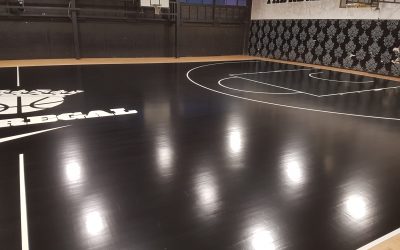
Maple floors (sports halls, schools, high-use spaces)
Maple is common in performance spaces and can require specific handling:
Stairs and banisters
Stairs take concentrated wear. If the staircase is part of the project, explore:
Commercial spaces (offices, shops, restaurants, common areas)
Commercial floors get punished. The system must match footfall and cleaning routines:
Here, Wood Floor Sealing is not about cosmetics—it’s about reducing downtime and extending the life of the floor.
After Wood Floor Sealing: how to make it last (without babying it)
Once Wood Floor Sealing is done, you’ll get the best lifespan by doing boring things consistently.
The simple protection checklist
- Mats at entrances (trap grit before it becomes sandpaper)
- Felt pads on furniture (replace when they compress)
- Lift, don’t drag heavy items
- Avoid soaking the floor (damp is fine; wet is not)
- Use the right cleaners (no harsh detergents, no steam mops unless approved for your system)
For ongoing guidance and refresh options, see wood floor maintenance and care.
What about sound, warmth, and comfort?
Many London clients do two upgrades at once:
- seal for protection
- improve comfort/quiet with wood floor soundproofing or floor insulation fitting and sound proofing

Common questions London customers ask (and the straight answers)
“How long does Wood Floor Sealing take?”
It depends on floor size, condition, repairs, and the finish system chosen. Some jobs are quick refreshes; others involve sanding, repairs, and multiple coats. The key is allowing proper drying and curing so the finish hardens and performs.
“Will it smell?”
Some systems have more odour than others. Ventilation helps. We’ll always advise the most suitable option for your household—especially if you’ve got kids, pets, or tenants moving in.
“Do I need to leave the property?”
Often, no—especially with modern methods and dust-free floor sanding where appropriate. But some projects (large areas, full sanding, multiple coats) can be more comfortable if you plan a day or two around it.
“What if my floor is already scratched?”
Then you may need targeted repair first. Start with wood floor scratch repairs and we’ll tell you whether a refresh coat is enough or if sanding is the smarter long-term fix.
“Can you work around furniture?”
Sometimes, but results are best when the space is clear. If you’re not sure, call and we’ll talk through the easiest plan.
Conclusion: your floor doesn’t need luck. It needs protection.
If your floor looks tired, is hard to clean, or is starting to absorb water and dirt, don’t wait until the wood itself is damaged.
Wood Floor Sealing is the difference between a floor that constantly needs “fixing”… and a floor that quietly stays beautiful while you get on with life.
If you want the job done properly—prep, repairs (if needed), and a finish built for London living—call Sanding Wood Floors today on 0800 955 0015.